
Artificial Intelligence (AI) is rapidly transforming the world, making daily life and business operations more efficient than ever before. While there’s growing concern about AI potentially replacing human jobs, I believe that if we look at the broader picture, AI will empower countries and individuals in ways we’ve never imagined.
This blog reflects my personal prediction and analysis of AI’s future impact, particularly on digital independence and national innovation. Let’s explore how AI could shape our world over the next 5 to 10 years.
Rethinking Dependency: The Shift from Global Platforms
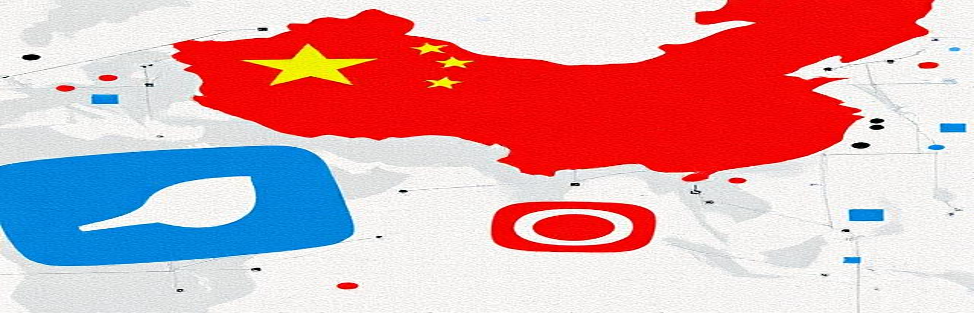
Right now, most countries heavily rely on global digital platforms like WhatsApp, Facebook, YouTube, Telegram, and Instagram—all primarily developed in the West. While these platforms have played a significant role in digital communication and content sharing, they also create a kind of technological dependency.
But there’s a different story in countries like China, Russia and Japan
China: A Glimpse Into the Future
China has already taken a major leap into the future by creating its own ecosystem of apps and digital tools. Instead of relying on global platforms, Chinese users benefit from local alternatives such as:
- WeChat instead of WhatsApp or Messenger
- Youku instead of YouTube
- Weibo instead of Twitter
- Baidu instead of Google
These platforms are not only replacements but also highly advanced and tailored to their national ecosystem. China’s digital independence is a powerful example of how a nation can innovate through its own AI and tech advancements.
Russia: National Platforms and Cyber Autonomy
Russia is building its own tech alternatives to reduce dependence on Western platforms, particularly in media, communication, and search.
Examples of local platforms:
- Yandex – Russia’s version of Google, offering search, maps, music, taxi (Yandex Go), and more—all powered by local AI.
- VK (VKontakte) – The most popular social media platform in Russia, similar to Facebook.
- Rutube – A local alternative to YouTube, aimed at promoting Russian content.
Russia’s strategy is centered on technological sovereignty, ensuring their platforms are developed and controlled within national borders.
Japan: Robotics and Local AI Services

Japan may not block Western platforms like China, but it’s still heavily investing in homegrown innovation. Their focus is on using AI for robotics, automation, and local services.
Examples of Japanese-local platforms:
- LINE – A Japanese-developed messaging app (very popular in Japan and parts of Asia) that combines messaging, payment, and news services.
- Rakuten – A Japanese e-commerce giant that competes with Amazon domestically.
- Mercari – A Japanese peer-to-peer marketplace app, locally built and widely adopted.
Japan shows how to compete with global tech giants by creating high-quality local alternatives that align with their unique culture and user behavior.
The Role of AI in Building National Ecosystems

As AI models become more affordable and accessible, I believe every country will eventually develop its own digital infrastructure, powered by AI and customized to its cultural and regulatory environment.
Here’s what we can expect in the near future:
1. National Platforms for Communication and Services

Just like China, countries will begin to develop indigenous alternatives to global platforms. AI will simplify the development of:
- Messaging and social media platforms
- E-commerce solutions
- Educational and freelancing tools
2. Secure and Sovereign Data Systems
With increased awareness around data privacy, countries will push for more confidential and secure systems. AI will be at the center of these innovations, allowing governments to implement stronger security protocols and national-level data policies.
3. AI-Driven Innovation at Local Levels
The democratization of AI tools means small startups and developing nations can create cutting-edge solutions without massive budgets. This levels the playing field and encourages local innovation, which is exactly what our Gokap Freelancing platform is built to support.
A Lesson from China: Digital Independence is Power
China’s ability to build its own digital landscape is not just a technological achievement—it’s a strategic model for others to follow. As AI continues to evolve, more countries will adopt this approach to:
- Reduce reliance on foreign tech
- Protect national data sovereignty
- Encourage local talent and innovation
This is not just good for governments—it’s good for humanity. It promotes skill development, national identity, and innovation at scale.
Gokap Freelancing’s Vision in the AI Era

At Gokap InnoTech, we’re deeply aligned with this vision. Our Gokap Freelancing Platform is not just about connecting freelancers—it’s about:
- Encouraging self-reliance through skill-based employment
- Building Bhutan’s digital infrastructure
- Promoting collaborative work models that support national growth
We believe that in the coming decade, platforms like ours will be instrumental in helping countries build their own ecosystems using accessible AI tools and community-driven development.
The AI Revolution is a Call for Local Innovation

Rather than fearing AI, we should embrace it as a tool for empowerment. As more countries take inspiration and develop their own technology stacks, the world will become more balanced, innovative, and self-sufficient.
Let’s use AI not to replace humanity, but to uplift it—starting with platforms like Gokap Freelancing that put skills, community, and national pride at the forefront.